
September 9, 2026
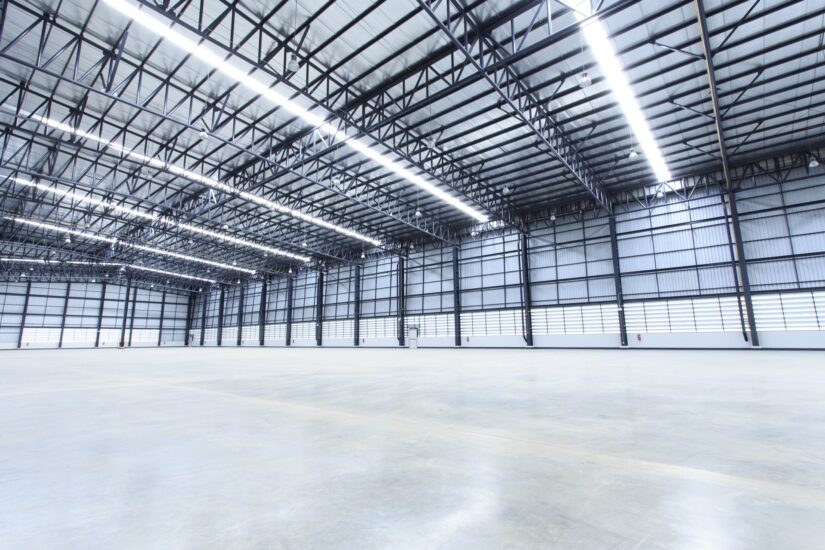
Selecting the right industrial door for your commercial or industrial facility is one of the most important decisions you will make as a building owner, facility manager, or general contractor. The door you choose affects everything from daily operational efficiency and energy costs to security, safety compliance, and long-term maintenance expenses. With so many options available, it can be difficult to know where to start.
At Industrial Door Solution, we have spent more than 25 years helping businesses across the country choose, fabricate, and install the right industrial doors for their specific needs. As a vertically integrated manufacturer based in Miami, Florida, we control every step of the process from raw materials to finished installation. Here is what you need to know to make the right choice for your facility.
Understanding the Main Types of Industrial Doors
Before you can choose the right door, you need to understand what is available. Here are the most common types of industrial doors and their ideal applications.
Rolling Steel Doors
Rolling steel doors are the workhorses of the industrial door world. They consist of interlocking steel slats that coil around a barrel above the door opening. Because they roll up vertically, they require minimal headroom and no ceiling track, making them ideal for buildings with limited overhead clearance.
Rolling steel doors are commonly used in warehouses, distribution centers, manufacturing plants, and loading docks. They offer excellent security, durability, and wind resistance. Industrial Door Solution manufactures both standard and heavy-duty steel doors, with options for insulation, motorized operation, and high-cycle springs for facilities that open and close their doors hundreds of times per day.
Sectional Overhead Doors
Sectional overhead doors are made of horizontal panels that travel along a curved track and rest flat against the ceiling when open. They are a popular choice for auto dealerships, fire stations, self-storage facilities, and commercial loading bays where aesthetic appearance matters.
Sectional doors can be insulated for energy efficiency, which is important in climate-controlled facilities. They also come in a variety of materials including steel, aluminum, and glass, allowing you to match the door to your building’s design. However, they require more headroom than rolling steel doors, so they are not always suitable for buildings with low ceilings.
Fire-Rated Doors
Fire-rated doors are required by building codes in openings between fire-rated walls and in areas where fire containment is critical. These doors are designed to close automatically when triggered by a fire alarm or fusible link, creating a barrier that prevents the spread of fire and smoke.
Industrial Door Solution manufactures fire-rated rolling steel doors and fire and smoke curtains that meet UL and NFPA standards. If your building has openings that require fire-rated protection, it is essential to work with a manufacturer that understands local building codes and can provide doors with the correct fire rating.
Security Grilles
Security grilles are commonly used in retail storefronts, shopping malls, concession stands, and pharmacies. They provide after-hours security while still allowing visibility and airflow. Options include aluminum brick grilles, scissor gates, and clear polycarbonate panels.
Loading Dock Equipment
While not technically a door, loading dock equipment works hand-in-hand with your industrial doors to create a complete, efficient loading bay. Dock levelers, vehicle restraints, dock seals, dock shelters, and bumpers all play a role in ensuring that goods move safely and efficiently between trucks and your facility.
Key Factors to Consider When Choosing an Industrial Door
1. Opening Size and Building Structure
The size of your door opening is the first thing to consider. Standard catalog doors work for most openings, but if you have oversized openings, such as those found in aircraft hangars or tall warehouse bays, you will need a custom fabrication. As a manufacturer, Industrial Door Solution can build doors to virtually any size, whereas a reseller is limited to whatever the factory has in stock.
2. Wind Load Requirements
If your facility is located in a hurricane-prone area like South Florida, wind load ratings are not optional. They are a matter of code compliance and safety. Industrial Door Solution engineers doors to meet the specific wind load requirements for your building’s location, including Miami-Dade County’s stringent high-velocity hurricane zone standards.
3. Cycle Count
How many times per day will the door open and close? A loading dock at a busy distribution center may cycle hundreds of times daily, while a self-storage unit may only operate a few times per week. High-cycle applications require heavier springs, more robust motors, and reinforced hardware. Choosing a door rated for your actual cycle count prevents premature failure and costly downtime.
4. Insulation and Energy Efficiency
For climate-controlled facilities, including cold storage, food processing plants, and pharmaceutical warehouses, insulation is critical. Insulated rolling steel doors and insulated sectional doors reduce energy loss at the door opening, keeping conditioned air inside and utility costs down. In hot climates like Florida, even non-refrigerated facilities can benefit from insulated doors that reduce cooling costs.
5. Security Requirements
Different facilities have different security needs. A retail storefront may only need a lightweight security grille, while a government building or data center may require a heavy-duty rolling steel door with integrated access controls. Consider whether you need manual or motorized operation, key switches, card readers, or integration with your building’s security system.
6. Fire and Safety Codes
Local building codes may require fire-rated doors in specific locations within your facility. Before specifying any door, review the applicable fire codes with your architect or fire marshal. Choosing a door that does not meet code requirements can result in failed inspections, fines, and safety risks for your employees and inventory.
The Advantage of Working with a Manufacturer
When you buy an industrial door from a distributor or reseller, you are adding a middleman between yourself and the factory. That means longer lead times, higher costs, and less flexibility when it comes to custom specifications. When you work directly with an industrial door manufacturer like Industrial Door Solution, you get:
- Faster lead times because the door is built in our facility, not ordered from a distant factory
- True custom fabrication for non-standard openings and specialty applications
- Single-source accountability for manufacturing, installation, and service
- Better pricing because there is no distributor markup
- Expert engineering guidance from the people who actually build the doors
Get a Free Quote for Your Facility
Whether you are building a new warehouse, retrofitting an existing facility, or replacing aging doors that are costing you money in maintenance and energy loss, Industrial Door Solution can help. We manufacture rolling steel doors, commercial overhead doors, security grilles, fire-rated closures, and loading dock equipment, and we ship nationwide.
Contact Industrial Door Solution today for a free quote. Call us or visit our website to get started.